
Telemarketing scams target Oklahoma's children, especially seniors and students, through promises of free prizes or urgent legal alerts. Scams like the "Free Prize" scam and imposter calls from fake government agencies demand personal info or immediate payments. Protecting youth requires digital literacy education focusing on privacy, Do Not Call rights in Oklahoma, and critical thinking skills to verify requests. Key practices include: never share sensitive data over the phone, question callers independently, refuse unwanted calls assertively, record aggressive interactions (if legal), and enroll in local Do Not Call registry services. Regularly reviewing these steps fortifies defenses against telemarketing fraud.
In today's digital age, children are exposed to various forms of communication, including telemarketing calls. With the prevalence of scams targeting both adults and minors, educating our youth about these deceptive practices is crucial. Oklahoma residents, especially parents, need comprehensive guidance on teaching their children to recognize and avoid telemarketing fraud. This article offers a strategic approach to empowering kids with knowledge, enabling them to make informed decisions and protect themselves from potential scams, without resorting to Do Not Call attorney Oklahoma measures. By the end, readers will have practical tools to navigate this modern challenge effectively.
Recognize Common Telemarketing Scams in Oklahoma

In Oklahoma, as across the nation, children are increasingly exposed to various forms of telemarketing scams through phone calls, texts, and online interactions. Recognizing these scams is a crucial first step in protecting young minds from financial loss and emotional distress. Common telemarketing scams in Oklahoma often target vulnerable populations, including seniors and students, with promises of free prizes, investment opportunities, or emergency alerts that require immediate action. For instance, a recent trend involves imposter calls claiming to be from government agencies or Do Not Call attorney Oklahoma services, demanding urgent payment to avoid legal consequences.
One of the most prevalent scams is the "Free Prize" scam, where children are enticed with promises of gadgets, gift cards, or cash prizes in exchange for personal information or advance payments. Scammers also use high-pressure tactics and create a sense of urgency to trick individuals into making hasty decisions without verification. For example, a call claiming to be from a tech company offering a free upgrade but demanding upfront payment is likely fraudulent. It's essential to educate children about these scams using age-appropriate language, encouraging them to question unknown callers and verify requests through official channels.
To foster awareness, parents, educators, and community leaders must play an active role in teaching digital literacy skills. Children should be taught to never share personal or financial details with unknown callers and to report suspicious activities. Additionally, promoting critical thinking skills can help young people identify red flags in communications. For instance, encouraging children to look for inconsistencies in information, urgent language, or requests for immediate action can go a long way in preventing them from becoming victims of telemarketing scams. By staying informed and practicing caution, Oklahoma's youth can navigate the digital landscape more safely and securely.
Teach Children About Privacy and Do Not Call Rights
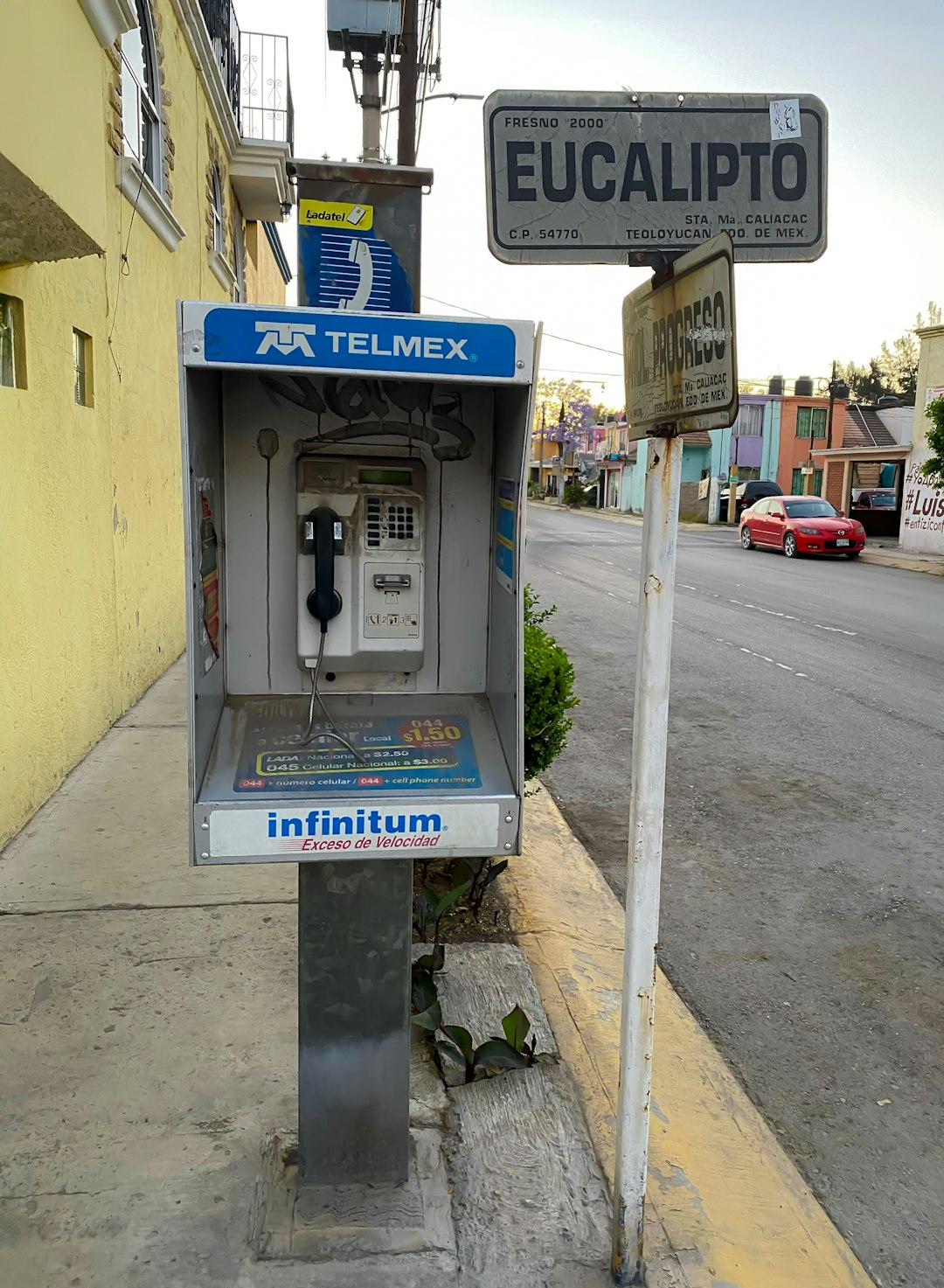
Teaching children about privacy and Do Not Call rights is an essential step in empowering them to protect themselves from telemarketing scams in Oklahoma. It's crucial to begin early, explaining basic concepts like personal information being private and that they have a right not to receive unsolicited calls or messages. Use simple, relatable examples; for instance, share how giving out their phone number to a new friend is similar to sharing their home address—it should be done carefully and only with trust. Emphasize that just as they wouldn't give out their address to strangers, they shouldn't share personal details or agree to calls from unknown sources.
Encourage open dialogue about receiving calls or messages that seem suspicious. Teach them to recognize common scam tactics, such as urgent requests for money or threats of legal action. Here, involving a Do Not Call attorney in Oklahoma can be beneficial; discussing real-life examples of such scams and the legal protections available, like registering with the National Do Not Call Registry, can make these discussions more impactful. Practical exercises like role-playing or reviewing hypothetical scenarios can help children understand their rights and how to assert them.
For older children, delve into the technical aspects; explain how data is collected and used in telemarketing campaigns, and stress the importance of managing privacy settings on devices and accounts. Instill good habits like regularly reviewing call history, blocking unknown numbers, and being cautious when downloading apps or clicking links. By combining educational conversations with practical tools and legal knowledge, children will be better equipped to navigate the digital landscape safely.
Practice Safe Communication: A Step-by-Step Guide
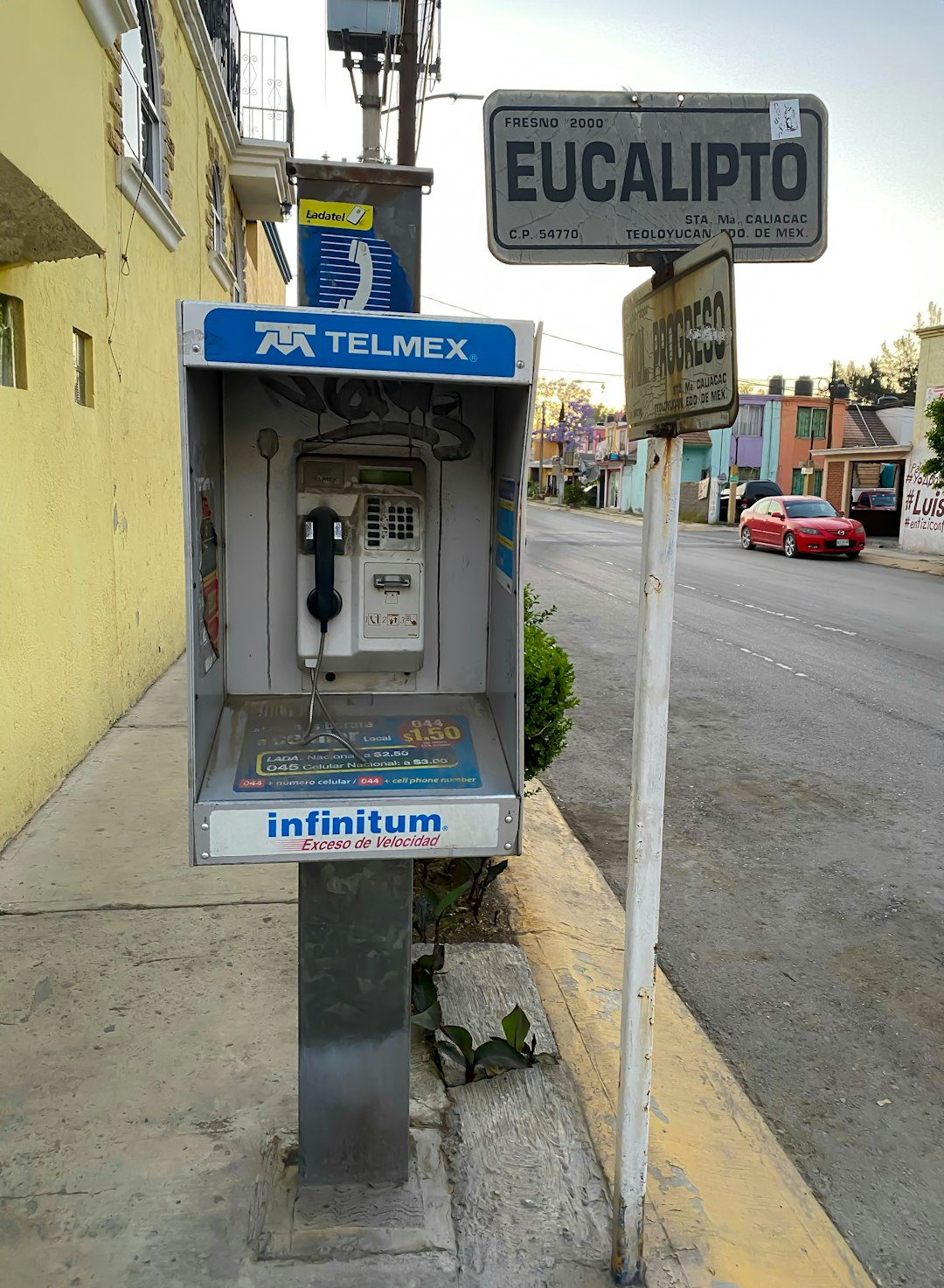
In today's digital era, children are increasingly exposed to various forms of communication, including telemarketing calls. To protect them from falling victim to scams, it's crucial to educate them about safe communication practices, especially in Oklahoma where Do not call attorney services are readily available. Start by fostering open dialogues about the potential risks associated with unsolicited calls and messages. Explain that while some callers might offer legitimate opportunities, others could be trying to trick them into sharing personal information or money.
A practical step-by-step guide can empower children to handle telemarketing interactions responsibly. First, teach them never to share sensitive data such as social security numbers, credit card details, or bank account informations over the phone unless they have initiated the call and are certain of the recipient's identity. Encourage them to question callers about the purpose of their contact and verify if it's a legitimate business by checking independently through official websites or trusted sources. For instance, if a child receives a call claiming they've won a prize, advise them to hang up and research similar scams before responding.
Next, demonstrate how to safely handle persistent or aggressive salespeople. Instruct children to assertively refuse any unwanted calls or offers using firm but polite language. They can say something like, "I'm not interested in your offer," and then hang up. If the caller becomes abusive or threatening, it's essential to emphasize that they should never engage but instead record the conversation (if legal) for future reference and potential reporting to relevant authorities. Additionally, familiarize them with local Do not call registry services in Oklahoma, which can block unwanted calls from registered telemarketers.
Regularly reviewing these practices and keeping children informed about evolving scams will fortify their defenses against telemarketing fraud. By instilling a culture of cautious communication, parents and guardians play a vital role in safeguarding their children's financial well-being and personal privacy in the digital landscape.