
Oklahoma's Do Not Call Laws protect residents from unsolicited sales calls by requiring explicit consent for telemarketing. Individuals can register their numbers online or through apps to be added to a no-call list shared among telemarketers. Certain exempt categories include non-profits and government agencies. Telephone service providers offer call blocking, but preferences should be reviewed periodically.
Registering on the National Do Not Call Registry, managed by the Federal Trade Commission (FTC), blocks all future calls from any source. Regular re-registration is needed if contact details change.
Despite these laws, unwanted calls persist. A multi-layered approach includes:
- Utilizing advanced call-blocking apps with AI-driven databases.
- Implementing proactive privacy settings on devices.
- Combining blocking solutions with awareness of telemarketer tactics.
To enforce rights, document violations, demand cessation, maintain records, use call-blocking tools, and consult a consumer rights attorney if necessary. Understanding and exercising legal protections is key under Oklahoma's Do Not Call Laws.
Unwanted phone calls remain a persistent nuisance for many Oklahoma residents, despite the protections offered by Do Not Call Laws. These laws, designed to safeguard personal time and privacy, are often bypassed by diligent scammers and telemarketers. This article arms you with strategic tips proven effective in navigating these challenges, ensuring your peace of mind. By understanding the legal framework and employing thoughtful strategies, you can reclaim control over your communication channels, fostering a safer, less intrusive environment. Let's explore practical solutions to effectively manage and minimize unwanted calls, especially in light of Oklahoma's Do Not Call Laws.
Understanding Do Not Call Laws in Oklahoma

In Oklahoma, Do Not Call Laws are designed to protect residents from unsolicited sales calls. The Oklahoma Attorney General's Office enforces these laws, which prohibit businesses from making telemarketing calls to individuals who are on the state's Do Not Call registry. This registry is a powerful tool for citizens to assert their privacy rights and stop unwanted calls.
To effectively avoid such calls, it's crucial to understand how the Do Not Call Laws in Oklahoma work. According to these laws, businesses must obtain explicit consent before placing telemarketing calls to residents. If you're on the registry, your number is automatically added to a no-call list shared among telemarketers, significantly reducing the volume of unsolicited calls you receive. However, it's important to note that certain types of calls, such as those from non-profit organizations or government agencies, are exempt from these restrictions.
Practical steps include registering your number with the Oklahoma Do Not Call registry online or through a dedicated application. Additionally, many telephone service providers offer built-in call blocking and filtering features that can help shield you from unwanted calls. Regularly reviewing and updating your preferences is essential; some services require periodic reconfirmation to ensure your registration remains active. By taking these proactive measures, Oklahoma residents can enjoy greater peace of mind, knowing their privacy is protected under the state's robust Do Not Call Laws.
Registering Your Number: A Crucial Step

Registering your phone number with the National Do Not Call Registry is a fundamental step in reducing unwanted calls. In Oklahoma, the Do Not Call Laws offer substantial protections, but only for numbers registered on the list. It's crucial to understand that simply blocking calls from known telemarketers isn't enough; registration is essential to prevent future calls from both recognized and unknown sources.
When you register your number, it signals to telemarketers and sales companies that you do not consent to receive promotional calls. This process is straightforward but requires vigilance. Make sure to include all phone numbers you regularly use, including landlines, cell phones, and VoIP lines. The Federal Trade Commission (FTC) manages the registry, ensuring its effectiveness in enforcing Do Not Call Laws Oklahoma residents rely on.
To register, visit the FTC's Do Not Call Registry website or call 1-866-349-2647. Provide your phone number and personal information to ensure accurate listing. Remember, changes in service providers or even updating your name and address associated with the number require re-registration. Regular maintenance of your registry status is key to maintaining control over your communication preferences, protecting your privacy, and ensuring compliance with Oklahoma's Do Not Call Laws.
Blocking Unwanted Calls: Tools and Techniques

Despite being on the Do Not Call registry, unwanted calls persist. This is where robust blocking tools and techniques become essential. In Oklahoma, where Do Not Call laws are strictly enforced, consumers have added protections, but not all calls can be stopped through these registries alone. A multi-layered approach combining advanced technologies, proactive measures, and awareness of common tactics is crucial.
One effective method involves using specialized call-blocking apps and devices designed to identify and stop spam calls. These tools learn from extensive databases that catalog known telemarketing numbers. They often incorporate AI to adapt and improve their recognition capabilities over time. For instance, TruthFinder's call blocking service not only filters out known spammers but also analyzes calling patterns to flag suspicious new numbers. This proactive approach ensures a more comprehensive shield against unwanted intrusions.
Additionally, reviewing and updating privacy settings on your phone and home devices is vital. Ensure that default options for receiving calls from unknown or blocked numbers are disabled. For example, many smartphone operating systems allow you to block all incoming calls except those from approved contacts, significantly reducing the volume of unsolicited calls. This simple step can create a significant barrier for telemarketers, especially when combined with other advanced blocking solutions.
Enforcing Your Rights: What to Do Next
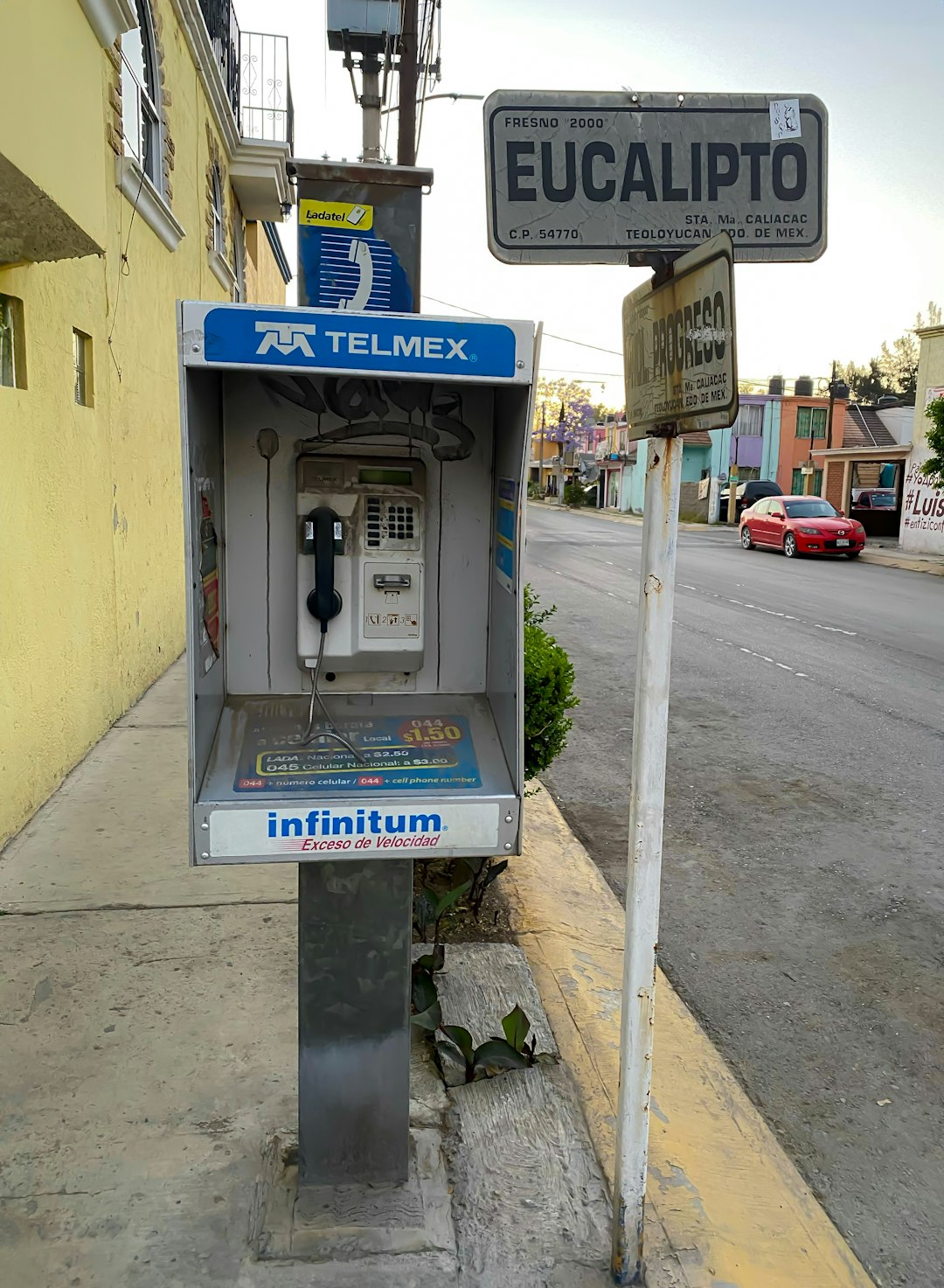
Despite being on the National Do Not Call Registry, many consumers still receive unwanted calls. Enforcing your rights under Oklahoma's Do Not Call Laws is crucial. The first step is to document every violation by noting the caller's name, phone number, and date/time of the call. This documentation can be invaluable if you need to file a complaint with the Oklahoma Attorney General's Office or the Federal Trade Commission (FTC).
Upon receiving an unwanted call, you have the right to demand that the caller stop contacting you. A simple yet firm "Remove me from your call list" often works best. According to Oklahoma's Do Not Call Laws, callers must comply with this request within 30 days. If they continue despite your request, it constitutes a further violation. Keep a record of all interactions and consider using a call-blocking app or registering for additional consumer protection services offered by the FTC or local regulatory bodies.
If you've exhausted initial efforts, consult with an attorney specializing in consumer rights to understand your legal options. In some cases, you may be entitled to sue for damages under Oklahoma's Do Not Call Laws. The FTC also offers a variety of resources and remedies for consumers facing persistent unwanted calls. Remember, knowing your rights and taking proactive steps can significantly reduce the number of unsolicited calls you receive.